5 Benefits of Home Automation

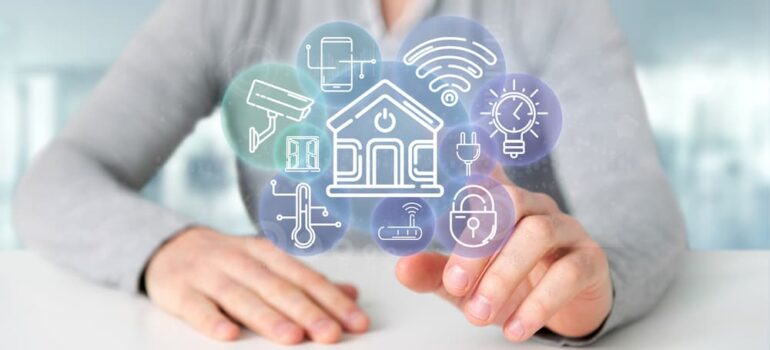
Home automation enhances security, improves energy efficiency, and increases convenience by enabling remote, voice, or automated control of devices. It optimises energy use through smart systems like thermostats, strengthens security with surveillance features, and allows customised, intelligent routines for greater comfort. In this article, we’ll unpack five key benefits of

Read More

How To Wire a House for Home Automation?

Wiring your home for automation involves preparing the right infrastructure from the start. This includes installing deeper wall boxes to fit smart switches, running Cat6 cables for security cameras and Wi‑Fi access points, and hiring a licensed electrician to ensure everything is installed safely and complies with AS/NZS 3000 standards.

Read More

How Does Apple HomeKit Automation Work?

Apple HomeKit automation allows smart devices to run automatically based on triggers like time of day, location (arriving/leaving), sensor detection, or accessory actions, all managed within the Home app. It requires a HomePod or Apple TV to act as a hub to function while you are away. In this article,

Read More

What Are the Most Popular Home Automation Systems Available?

The most popular home automation systems in Australia include SmartThings, Home Assistant, Apple HomeKit, Amazon Alexa, Google Home, and IFTTT. As smart technology continues to evolve, more homeowners are embracing automated living, from voice‑controlled lighting and climate control to personalised routines like having your coffee ready when you wake up.

Read More

How Does Google Home Automation Work?

Google Home automation lets you control smart devices like lights, cameras, and door locks using the Google Home app or simple voice commands through Google Assistant. You can set up easy routines, such as turning the lights on at sunset or switching everything off when you leave the house, so

Read More

How Does Alexa Home Automation Work?

Alexa home automation works by connecting Amazon Echo devices to smart home products, such as lights, plugs, cameras, and thermostats, through Wi‑Fi and the Alexa app. When you give a voice command, Alexa processes it in the cloud and triggers the appropriate device or routine, like dimming the lights or

Read More

The Role of Artificial Intelligence in Home Automation

Artificial intelligence (AI) in home automation makes smart devices more intuitive and helpful than ever before. Instead of simply following set schedules, AI‑powered systems can learn your daily habits and automatically adjust lighting, temperature, and security to suit your lifestyle. That means lights that turn off when you leave, air

Read More

4 Benefits of Smart Lighting and How to Get Started

Smart lighting improves energy efficiency, enhances security through automation, and adds everyday convenience with voice or smartphone control. In Australia, getting started is easy as most smart bulbs fit into existing light fixtures, so there’s usually no rewiring required. Beyond convenience, smart lighting can help lower power bills, create customised

Read More

The Difference Between Safety Switches and Circuit Breakers

Safety switches (RCDs) are designed to protect people, cutting power in 0.03 seconds if they detect an electrical leak that could cause a shock. Circuit breakers (MCBs), on the other hand, protect your wiring and appliances by stopping overloads and short circuits. Also, most safety switches have a visible “Test”

Read More

Power Board Safety – What Not to Plug In

To reduce the risk of electrical fires, you should never plug heaters, kettles, toasters, hair dryers, washing machines, or fridges into a power board. These devices draw too much power and can overload the board. Power boards are convenient, but they’re not designed to handle high power appliances. Older power

Read More
Call Now Button