6 Business Benefits of Regular Electrical Maintenance

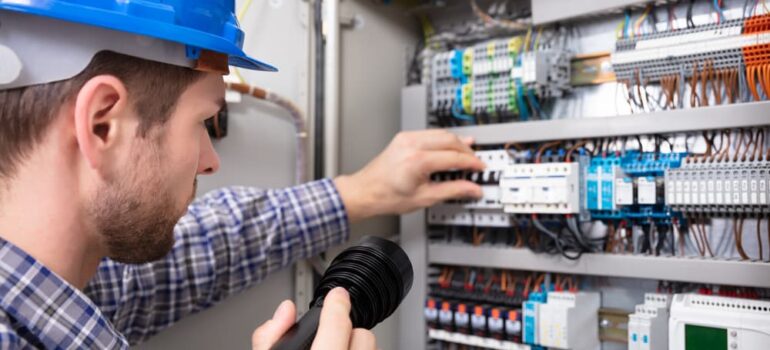
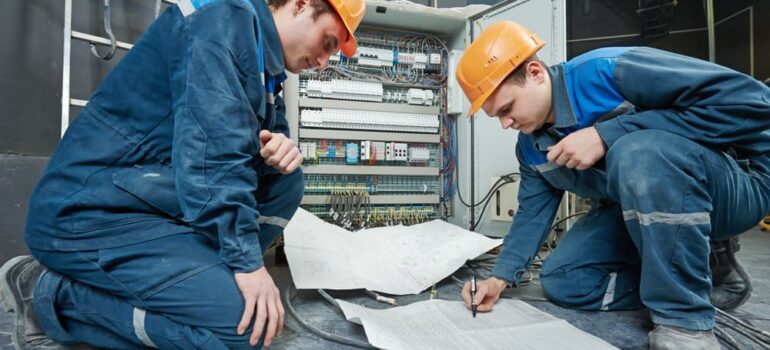
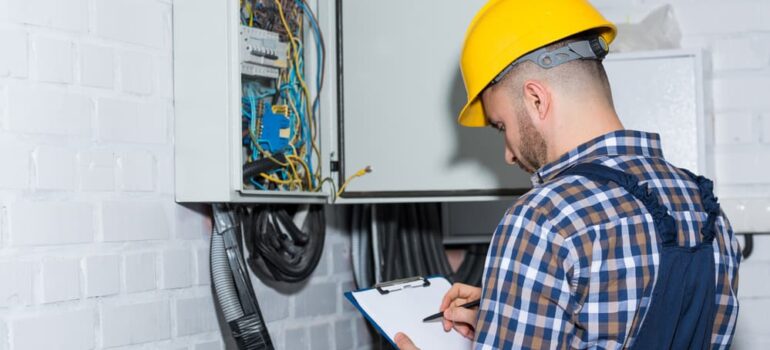
Regular electrical maintenance benefits Australian businesses. It keeps staff safe, prevents costly equipment failures, reduces downtime, and improves energy efficiency. In the daily rush of running a business, electrical inspections can easily be overlooked. However, ignoring them can put your operations, building, and employees at risk. With businesses increasingly reliant

Read More

How Often Should My Home Electrical System Be Inspected?

In Australia, most homes should have their electrical system inspected by a licensed electrician every 5 to 10 years. However, older homes (over 25 years), rental properties, and households with high power usage should be checked more often, typically every 2 to 5 years. Regular inspections help uncover hidden electrical

Read More

How Do I Know if My Home Electrical System Needs Maintenance?

Your home electrical system needs maintenance if you experience frequently tripping circuit breakers, flickering or dimming lights, burning smells, discoloured outlets, or outlets that feel hot to the touch. Older homes (over 30 years) with outdated wiring or relying heavily on extension cords should also prompt a professional inspection. Suppose

Read More

What Are Some Common Electrical Maintenance Tasks?

Common electrical maintenance tasks include monthly testing of Residual Current Devices (RCDs/safety switches), inspection and cleaning of switchboards, tightening electrical connections, checking wiring, outlets, and switches for damage, testing smoke detectors, and thermal imaging of electrical panels. These tasks help ensure safety, compliance with AS/NZS standards, and efficient system performance.

Read More

Do I Need a Permit to Have Electrical Work Done in My Melbourne Home?

In Melbourne, Victoria, any fixed electrical wiring work must be carried out by a licensed electrician, who is required to issue a Certificate of Electrical Safety (COES). Major renovations, new installations, and structural changes may also require a building permit in addition to a COES. For homeowners, understanding which electrical

Read More

What Is the Difference Between 120V and 240V?

The 120V and 240V systems differ in efficiency and power delivery. A 240V system provides twice the electrical pressure of a 120V system, allowing high-power appliances, like ovens and HVAC units, to draw half the amperage. This results in less heat loss and more efficient wiring. While 120V is common

Read More

What Are the Benefits of Hiring a Licensed Electrician?

Hiring a licensed electrician in Australia ensures work complies with strict safety standards, minimising risks of fire, electrocution, or property damage. They deliver expert, insured work that guarantees quality, legal compliance, and long term savings. Let’s look at these benefits of choosing a qualified and professional electrician. 1. Enhanced Safety

Read More

What Are the Signs of Electrical Problems in My Home?

Key signs of electrical issues in an Australian home include frequently tripping circuit breakers, flickering or dimming lights, and a persistent burning smell coming from outlets, switches, or appliances. You may also notice warm power points, buzzing sounds from your switchboard, or appliances that suddenly lose power. These warning signs

Read More

What Are the Different Types of Electrical Services?

Electrical services in Australia include residential, commercial, and industrial maintenance, installations, and repairs. There are also specialised services such as emergency, safety inspections, solar, data cabling, and lighting upgrades. Licensed electricians provide these services to ensure safety, efficiency, and compliance with strict Australian electrical standards (AS/NZS 3000). In this post, we

Read More

How Do I Find A Qualified Electrician?

To find a qualified electrician in Australia, verify they hold a current state-based electrical license, check for insurance, and request recommendations from local community groups or trusted tradespeople. Also, use verified platforms to read reviews and compare, ensuring they have the right training and certification. In this guide, we discuss the

Read More
Call Now Button