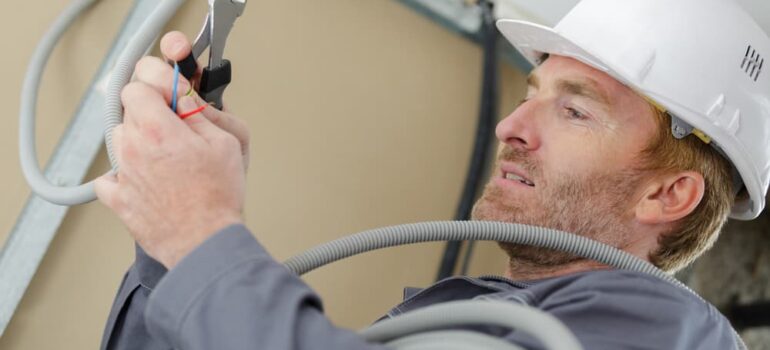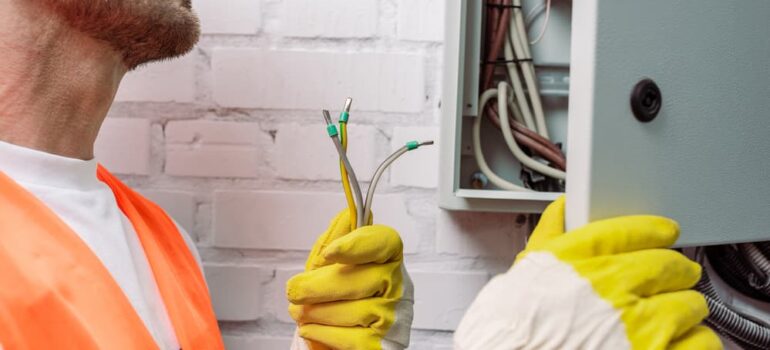
Do I Need a Permit to Have Electrical Work Done in My Melbourne Home?

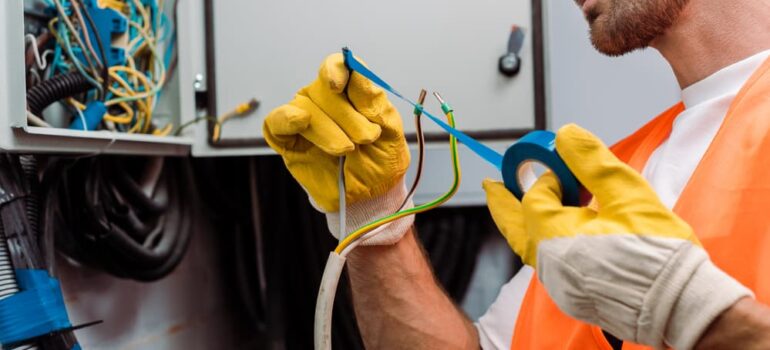
In Melbourne, Victoria, any fixed electrical wiring work must be carried out by a licensed electrician, who is required to issue a Certificate of Electrical Safety (COES). Major renovations, new installations, and structural changes may also require a building permit in addition to a COES. For homeowners, understanding which electrical
Read More

What Is the Difference Between 120V and 240V?

The 120V and 240V systems differ in efficiency and power delivery. A 240V system provides twice the electrical pressure of a 120V system, allowing high-power appliances, like ovens and HVAC units, to draw half the amperage. This results in less heat loss and more efficient wiring. While 120V is common

Read More

What Are the Benefits of Hiring a Licensed Electrician?

Hiring a licensed electrician in Australia ensures work complies with strict safety standards, minimising risks of fire, electrocution, or property damage. They deliver expert, insured work that guarantees quality, legal compliance, and long term savings. Let’s look at these benefits of choosing a qualified and professional electrician. 1. Enhanced Safety

Read More

What Are the Signs of Electrical Problems in My Home?

Key signs of electrical issues in an Australian home include frequently tripping circuit breakers, flickering or dimming lights, and a persistent burning smell coming from outlets, switches, or appliances. You may also notice warm power points, buzzing sounds from your switchboard, or appliances that suddenly lose power. These warning signs

Read More

What Are the Different Types of Electrical Services?

Electrical services in Australia include residential, commercial, and industrial maintenance, installations, and repairs. There are also specialised services such as emergency, safety inspections, solar, data cabling, and lighting upgrades. Licensed electricians provide these services to ensure safety, efficiency, and compliance with strict Australian electrical standards (AS/NZS 3000). In this post, we

Read More

How Do I Find A Qualified Electrician?

To find a qualified electrician in Australia, verify they hold a current state-based electrical license, check for insurance, and request recommendations from local community groups or trusted tradespeople. Also, use verified platforms to read reviews and compare, ensuring they have the right training and certification. In this guide, we discuss the

Read More

How To Wire a House for Home Automation?

Wiring your home for automation involves preparing the right infrastructure from the start. This includes installing deeper wall boxes to fit smart switches, running Cat6 cables for security cameras and Wi‑Fi access points, and hiring a licensed electrician to ensure everything is installed safely and complies with AS/NZS 3000 standards.

Read More

The Difference Between Safety Switches and Circuit Breakers

Safety switches (RCDs) are designed to protect people, cutting power in 0.03 seconds if they detect an electrical leak that could cause a shock. Circuit breakers (MCBs), on the other hand, protect your wiring and appliances by stopping overloads and short circuits. Also, most safety switches have a visible “Test”

Read More

Power Board Safety – What Not to Plug In

To reduce the risk of electrical fires, you should never plug heaters, kettles, toasters, hair dryers, washing machines, or fridges into a power board. These devices draw too much power and can overload the board. Power boards are convenient, but they’re not designed to handle high power appliances. Older power

Read More
Call Now Button